Sikkim: The Himalayan Kingdom Above the Clouds
TribalWalk Team
March 2025
India's smallest state by area is also one of its most extraordinary. A former Buddhist kingdom that merged with India in 1975, Sikkim packs glacial lakes, ancient monasteries, India's third highest peak, and its first fully organic farmland into just 7,096 sq km. The Nepali, Sikkimese Bhutia, and Lepcha peoples share this mountain realm, united by the golden spires of over 200 monasteries and the prayer flags that flutter on every ridge.
A Kingdom of Monasteries
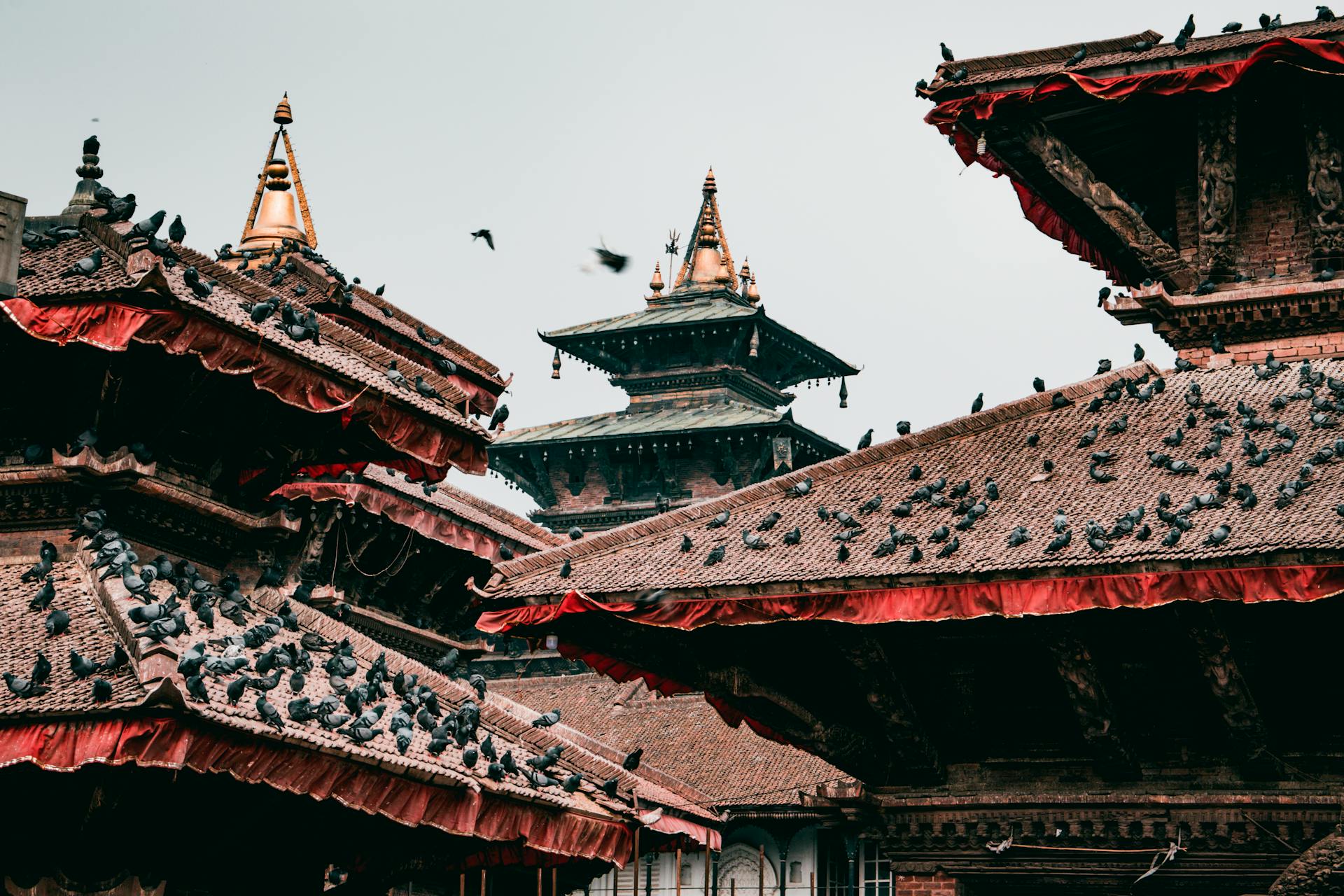
More than 200 Buddhist monasteries dot Sikkim's landscape, from valley floors to ridgelines above the cloud line. Rumtek Monastery, rebuilt in the 1960s below Gangtok, is the seat of the Karma Kagyu school of Tibetan Buddhism and one of the most important monasteries outside Tibet. Pemayangtse — "Perfect Sublime Lotus" — in West Sikkim has stood for over 350 years, its walls lined with thangkas and its roof capped with a three-storey wooden model of the celestial Zangdog Palri palace that took its monks years to construct. Tashiding, perched on a forested ridge, is considered the holiest monastery in Sikkim.
"In Sikkim, the mountains are not just geography — they are sacred beings, watched over by ancient monasteries and blessed by centuries of golden prayer."
Gurudongmar Lake: Sacred Waters at 17,800 ft
At 5,430 metres, Gurudongmar is one of the world's highest lakes and among the most sacred in Northeast India — revered by both Sikhs and Tibetan Buddhists. Guru Nanak Dev Ji is said to have blessed the lake during his travels, and legend holds that one small section never freezes even in the depths of winter, whatever the temperature. The journey from Gangtok passes through Lachen village and across high-altitude grasslands where yaks graze and the air tastes of ice.
Dzongri Trek & the Kanchenjunga Throne
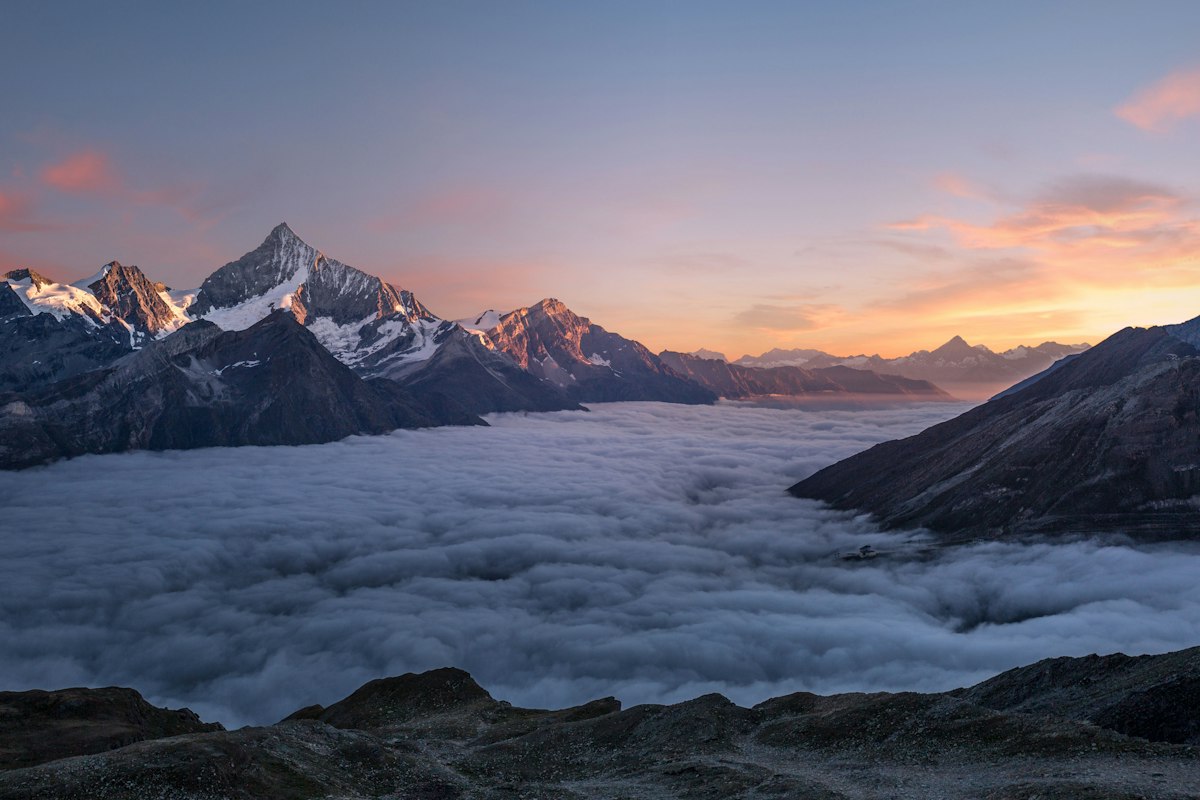
Kanchenjunga at 8,586 metres is the world's third highest mountain and the presiding deity of Sikkim — Sikkimese people consider it sacred and do not attempt its summit. The Dzongri–Goechala Trek is the finest way to approach it: an 8 to 10-day traverse through ancient rhododendron forests, high alpine meadows, and the Dzongri plateau at 4,020 metres, culminating at Goechala Pass (4,940 m) where Kanchenjunga fills the sky. No photograph does it justice.
India's First Fully Organic State
In 2016, Sikkim became India's — and the world's — first fully organic state, having banned chemical pesticides and synthetic fertilisers state-wide. The United Nations awarded Sikkim its highest accolade for sustainable tourism development in 2018. Cardamom, ginger, turmeric, and vegetables grown without chemicals are now shipped across India; local organic farmers have seen both yields and incomes improve. Visiting Sikkim's farms is itself an experience: terraced hillsides of cardamom under tree shade, fragrant and golden.
Gurudongmar Lake
One of the world's highest lakes at 5,430 m. Sacred to Sikhs and Buddhists, with a section said never to freeze. North Sikkim requires a special permit.
Tsomgo Lake
A glacial lake at 3,753 m on the Nathula highway. Changes colour with seasons — azure in summer, gold in autumn, frozen in winter. Sacred to local Sikkimese.
Nathula Pass
Historic Silk Road trade route at 4,310 m on the China-India border. Reopened for bilateral trade in 2006 after 44 years. Unforgettable mountain views.
Yumthang Valley
The "Valley of Flowers" at 3,564 m in North Sikkim — a spring explosion of rhododendrons, primulas, and poppies backed by snow peaks. Heaven made alpine.
Planning Your Visit
Essential Information
Best Time to Visit
March–May for rhododendron bloom and clear skies. September–November for post-monsoon clarity and Kanchenjunga views. Avoid July–August for trekking.
Permits Required
Protected Area Permit (PAP) for North Sikkim (Gurudongmar, Yumthang). Inner Line Permit for Nathula Pass. Foreign nationals need a special Restricted Area Permit.
Key Destinations
Gangtok, Pelling, Yuksom, Lachen, Lachung, Tsomgo Lake, Nathula Pass, Rumtek Monastery, Yumthang.
Getting There
Fly to Bagdogra (Siliguri) then 4 hours by road to Gangtok, or use the new Pakyong Airport (30 minutes from Gangtok) with flights from Kolkata and Delhi.
Sikkim is one of those rare places that changes your sense of scale — not just because the mountains are enormous, but because the monasteries make you feel the weight of centuries, and the organic farms remind you that a small kingdom chose a different path, and thrived. Come here to be humbled and uplifted in equal measure.
Ready to Enter the Himalayan Kingdom?
Let us plan your Sikkim journey — from the golden glow of Rumtek to the frozen serenity of Gurudongmar Lake.
Plan Your Trip