Assam: Where the Brahmaputra Meets Tea and Rhinos
TribalWalk Team
March 2025
The Brahmaputra runs through Assam like a red-tinged artery — wide, restless, and ancient. For 800 kilometres it nurtures this great state: the gateway and largest territory of Northeast India, home to two-thirds of the world's Indian one-horned rhinoceros, producer of over half of India's tea, and seat of the Ahom kingdom that ruled for six centuries without ever being conquered by the Mughals.
Kaziranga: The Rhino Kingdom
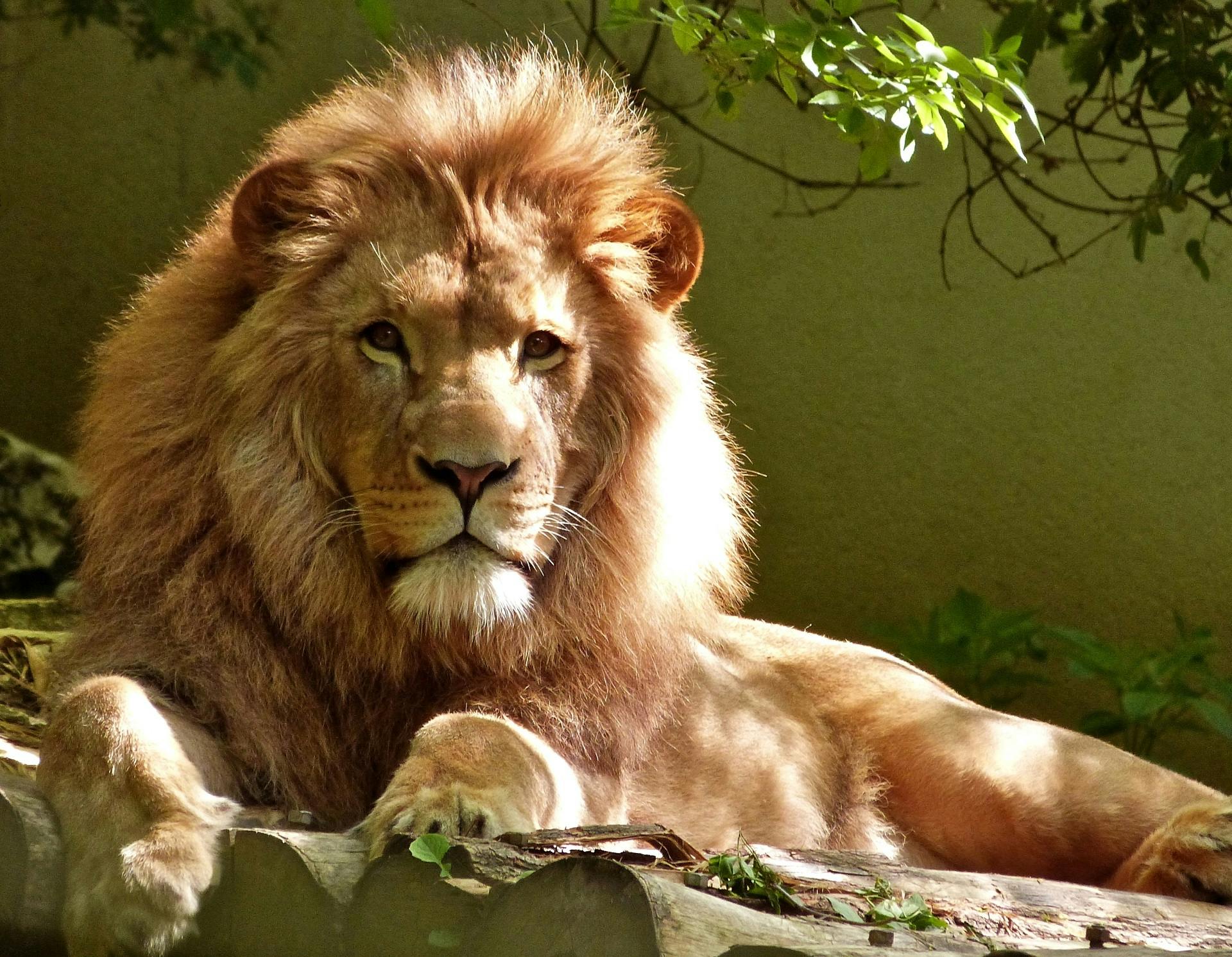
Listed as a UNESCO World Heritage Site in 1985, Kaziranga National Park is one of the great wildlife conservation success stories of the 20th century. In the early 1900s, fewer than 200 one-horned rhinoceros survived; today Kaziranga shelters over 2,600 — two-thirds of the world's entire population. The park's flood plains and elephant grass also hold the highest density of Bengal tigers of any protected area in India, plus herds of wild water buffalo, swamp deer, and over 500 bird species. Morning jeep and elephant safaris through the tall grass, with a rhino emerging from the mist, are unforgettable.
"Kaziranga is one of the last places where you can witness wildlife as it was before humans dominated every corner of the Earth — ancient, unhurried, and indifferent to our presence."
The Brahmaputra & Majuli Island
The Brahmaputra is one of the world's great rivers — one of the few named male in Indian tradition. Its red-tinged waters, heavy with Himalayan sediment, flood every monsoon, creating and destroying islands at will. The largest of these — Majuli, 880 sq km — is the world's largest river island, and has been the cultural heart of Assamese civilisation since the 15th century. Here, 22 Neo-Vaishnavite satras (monasteries) established by the saint-scholar Srimanta Sankardeva preserve mask-making, manuscript traditions, classical Borgeet music, and Sattriya dance, one of India's eight classical dance forms.
Tea Gardens: Assam's Green-Gold Legacy
Assam produces more than 50% of India's tea and is one of the world's largest tea-producing regions. Over 800 tea estates carpet the Brahmaputra valley between the Himalayas and the Naga Hills, first planted by the British from 1837 onwards. The Jorhat and Dibrugarh districts are the heartland — old colonial bungalows sit among the geometric rows of tea bushes, now repurposed as heritage homestays where guests wake to mist, birdsong, and the smell of the morning flush. Assam tea's robust, malty, blood-red character is unlike any other tea in the world.
Bihu: The Soul of Assam
Assam's identity is inseparable from Bihu — three festivals that mark the agricultural calendar. Rongali Bihu in April (Bohag Bihu) celebrates the Assamese New Year and the arrival of spring with the exuberant Bihu dance — young men and women in vivid gamosas performing to the dhol drum and the pepa buffalo-horn flute in an expression of collective joy. Kongali Bihu in October is a quieter harvest prayer; Bhogali Bihu in January is a feast of community bonding, with enormous bonfires and communal cooking. Together, they form the heartbeat of Assamese cultural life.
Kaziranga National Park
UNESCO World Heritage Site. Home to 2,600+ one-horned rhinos, highest tiger density in India, and vast flood-plain grasslands. Jeep and elephant safaris available.
Majuli Island
World's largest river island, cultural nucleus of Assam. Twenty-two Neo-Vaishnavite monasteries preserve Sattriya dance, mask-making, and ancient manuscript traditions.
Kamakhya Temple
One of the 51 Shakti Peethas, atop Nilachal Hill in Guwahati. Site of the annual Ambubachi Mela — among the largest tantric gatherings in the world.
Sivasagar
Ancient Ahom capital with three artificial lakes, the Rang Ghar amphitheatre (Asia's oldest), Kareng Ghar palace, and a 600-year legacy of unconquered sovereignty.
Planning Your Visit
Essential Information
Best Time to Visit
November to April for wildlife (Kaziranga). April for Rongali Bihu celebrations. Tea gardens are beautiful year-round, peak green in June–July.
Permits Required
No Inner Line Permit required for Assam. Open to all visitors. Restricted areas inside Kaziranga require park entry fees and registered guides.
Key Destinations
Kaziranga, Guwahati, Majuli Island, Jorhat tea gardens, Sivasagar, Manas National Park, Haflong (hill station).
Getting There
Fly to Lokpriya Gopinath Bordoloi Airport, Guwahati — well-connected to Delhi, Kolkata, and Mumbai. Excellent rail connectivity to Kaziranga via Furkating/Jorhat stations.
Assam is the river and everything it gives: the red-tinged soil, the thick-brewed tea, the rhino in the flood grass, the Bihu dancer spinning in a gamosa of red and white. Come to Assam for its extraordinary wildlife — stay for its warmth, its stories, and the taste of a morning cup of tea brewed from leaves grown in the shadow of the Himalayas.
Ready to Follow the Red River?
Let us plan your Assam adventure — from Kaziranga's rhinos to Majuli's monasteries and the fragrance of a fresh tea estate morning.
Plan Your Trip