Arunachal Pradesh: Land Where Dawn Breaks First
TribalWalk Team
March 2025
India's easternmost and largest northeastern state, Arunachal Pradesh is where the sun first touches Indian soil each morning. Spanning 83,743 sq km of breathtaking Himalayan terrain, it shares borders with China, Bhutan, and Myanmar — a frontier state in every sense, home to over 26 major tribes, hundreds of dialects, and landscapes ranging from subtropical lowlands to glacial peaks above 7,000 metres.
A Land of 26 Tribes
Few places on Earth pack such extraordinary cultural diversity into a single boundary. Arunachal's tribes — among them the Adi, Apatani, Nyishi, Monpa, Mishmi, and Tangsa — each maintain distinct languages, attire, and belief systems. The Apatani of Ziro are known for their sophisticated wet-rice and fish cultivation on the same paddy fields, a tradition unchanged for centuries. The Monpa of Tawang follow Tibetan Buddhism, filling their high-altitude valleys with monastery bells and fluttering prayer flags. Walking between villages, you can cross linguistic borders as easily as a ridge.
"In Arunachal Pradesh, every valley speaks a different language and every ridge reveals a different world — a place where the sun rises first and time still moves at the pace of tradition."
Tawang: The Himalayan Monastery City
Perched at 3,048 metres, Tawang is one of Northeast India's most iconic destinations. The Tawang Monastery, founded in 1681, is the second largest Buddhist monastery in Asia after Lhasa — its golden-roofed main hall and library of ancient scriptures draw pilgrims and travellers alike. This is also the birthplace of the 6th Dalai Lama, Tsangyang Gyatso. The Tawang War Memorial pays solemn tribute to soldiers who fell in the 1962 Indo-China War on the frozen slopes nearby.
The journey to Tawang passes through Sela Pass at 4,170 metres — one of the world's highest motorable passes — often blanketed in snow even in late spring, with a small sacred lake that sits still against the white peaks above.
Ziro Valley & the Apatani Tribe
Cradled within pine-forested hills at 1,524 metres, Ziro Valley is on UNESCO's World Heritage tentative list for its remarkable cultural landscape. The Apatani people cultivate rice and fish on the same flooded terraces simultaneously — a technique so sustainable it has attracted researchers worldwide. Every September, the valley becomes an outdoor stage for the Ziro Music Festival, drawing artists from across India to perform among bamboo groves and paddy fields.
Namdapha: The Four Big Cat Park
Deep in the Changlang district, Namdapha National Park is the only protected area in the world known to harbour all four large feline species — snow leopard, tiger, leopard, and clouded leopard — within its 1,985 sq km of pristine rainforest. The park spans altitude from 200 to 4,500 metres and is also home to hoolock gibbons, red pandas, and rare orchids. Its remoteness keeps visitor numbers genuinely low.
Tawang Monastery
Second largest Buddhist monastery in Asia, founded 1681. Birthplace of the 6th Dalai Lama at 3,048 m with sweeping Himalayan panoramas.
Ziro Valley
UNESCO tentative site. Home to the Apatani tribe's unique paddy-fish cultivation and the beloved Ziro Music Festival each September.
Namdapha National Park
World's only park with all four large wild cats. 1,985 sq km of ancient rainforest, gibbons, hornbills, and rare orchids near Myanmar.
Sela Pass
One of the world's highest motorable passes at 4,170 m. A snow-dusted, rose-lit gateway to Tawang with a sacred alpine lake.
Planning Your Visit
Essential Information
Best Time to Visit
March to June and September to October for clear mountain views. Avoid July–August when roads to Tawang are blocked by landslides.
Permits Required
Inner Line Permit (ILP) mandatory for all Indian nationals. Foreign visitors need a Restricted Area Permit (RAP). Apply online or at designated entry points.
Key Destinations
Tawang, Ziro Valley, Bomdila, Pasighat, Namdapha, Mechuka, Along (Aalo), Dirang.
Getting There
Fly to Tezpur, Lilabari, or Dibrugarh in Assam, then travel by road. Helicopters connect Guwahati to Tawang seasonally.
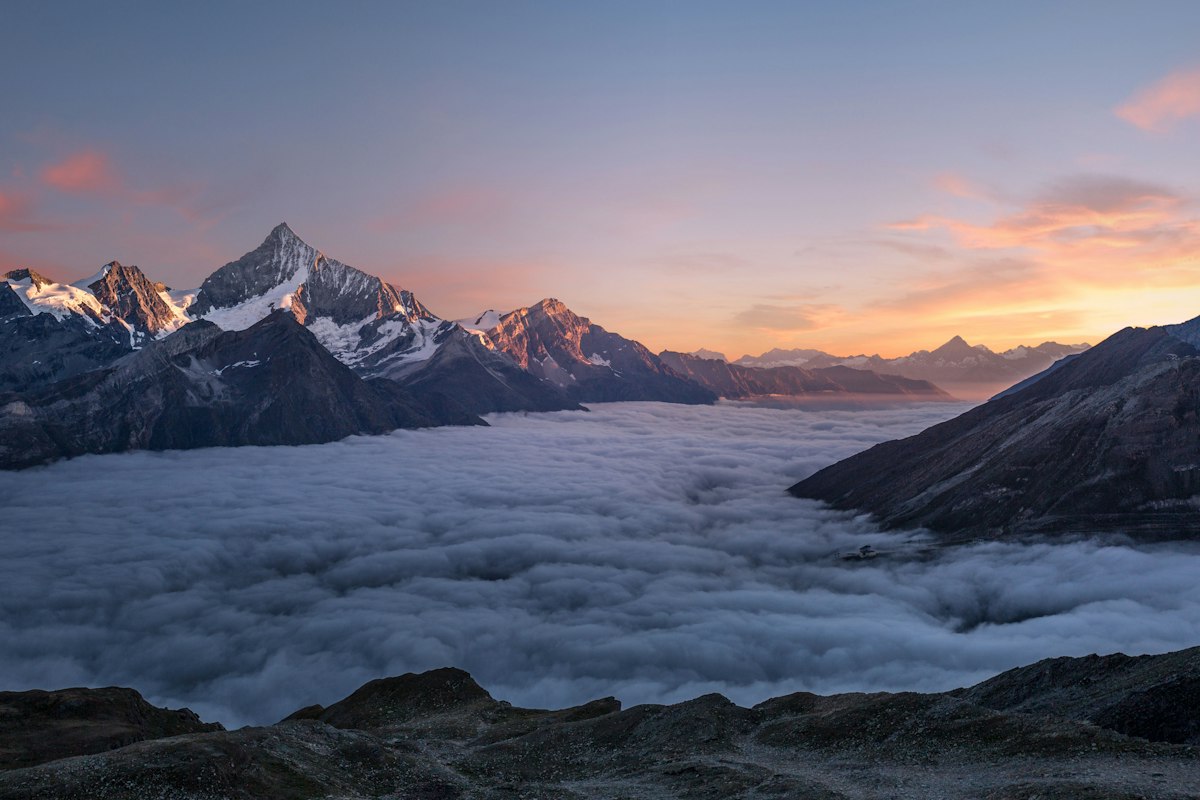
Arunachal rewards the patient traveller. Its permits require advance planning and its weather is unpredictable — but every inconvenience dissolves the moment you stand at a monastery at dawn, the rising sun painting the Himalayas in rose and gold, and realise you are standing at the edge of a world that very few have seen.
Ready to Chase the Dawn in Arunachal?
Let us help you plan a journey through Tawang's monasteries, Ziro's paddy fields, and Namdapha's ancient forests.
Plan Your Trip